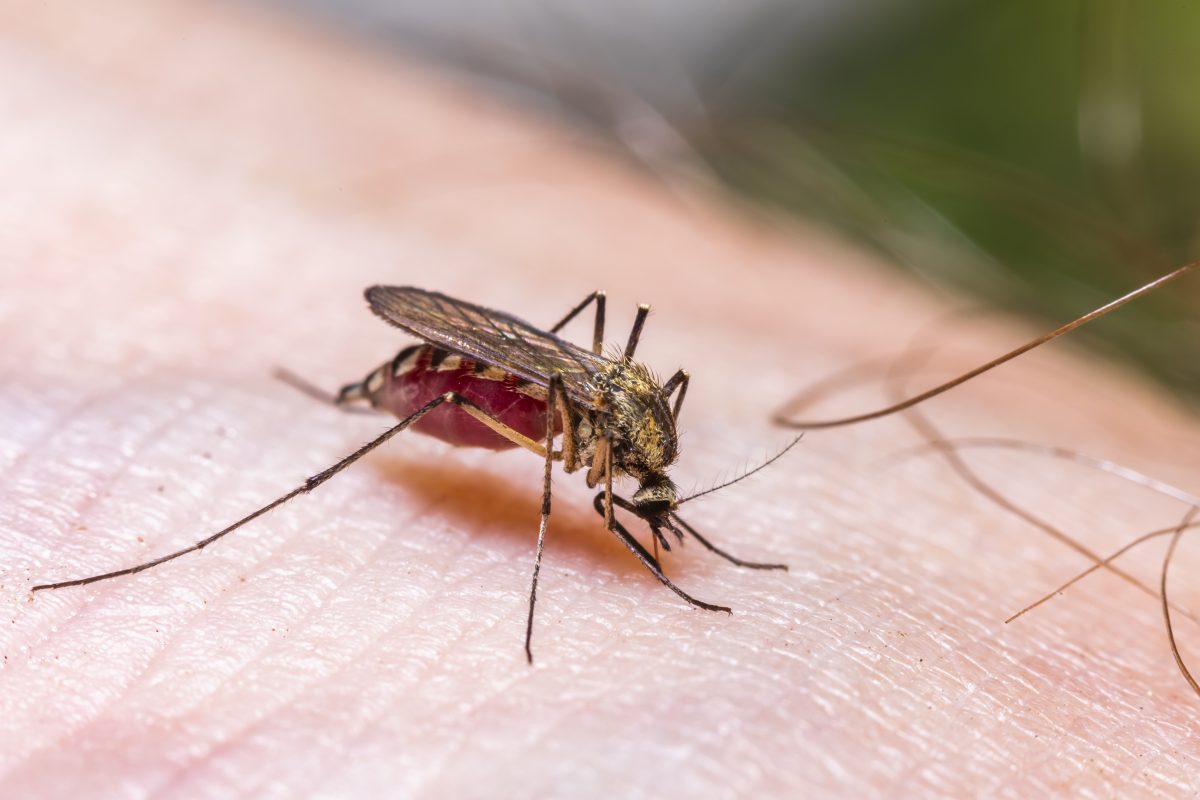
Northern Queensland is staring down a growing public health threat, with new research from James Cook University confirming mosquito‑borne virus cases have almost doubled nationally in just one year.
Scientists say the region is now firmly on the frontline as climate change fuels longer, more intense transmission seasons and rapid urban growth creates ideal breeding conditions.
The findings, led by JCU’s Tropical One Health Microbial Lab, show infections such as Ross River, Dengue and Barmah Forest continue to hit the North harder than most parts of the country. In 2024 alone, Queensland recorded 1701 Ross River cases and 378 Dengue cases, alongside detections of chikungunya and Japanese encephalitis. Researchers warn the trend is continuing into 2025 and beyond.
Researchers are calling for an integrated public health response, more surveillance and stronger community engagement.
For a region already battling hotter summers, rapid development and shifting climate patterns, the message is clear: Northern Queensland must stay vigilant, informed and prepared as mosquito‑borne threats continue to evolve.